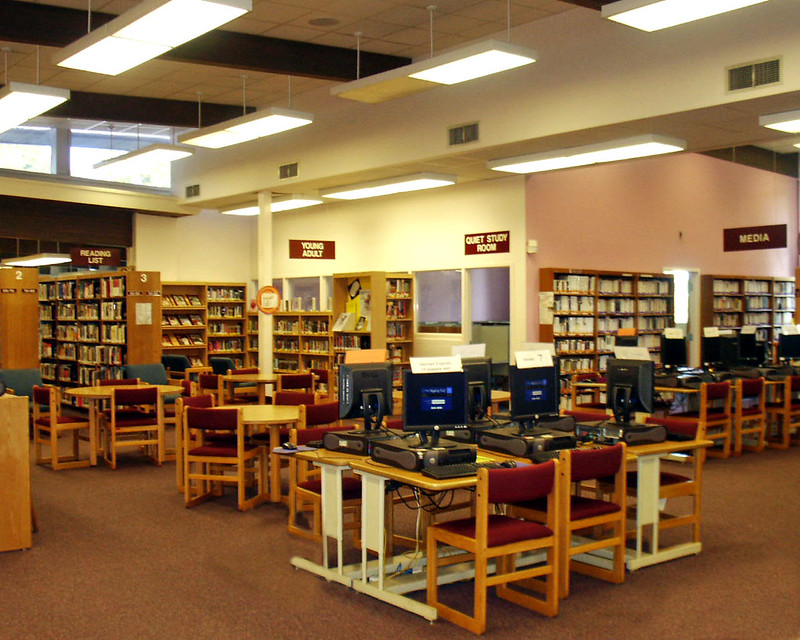
An electronic library serves as a transformative tool in modern learning, especially in a university environment where students and researchers require quick availability to a comprehensive assortment of references. Differing from brick-and-mortar archives, digital research databases provide the edge of reachability, ease, and efficiency, establishing them an indispensable component of present academic organizations. A academic virtual archive acts as a single-point system that offers scholars, faculty, and academic professionals with entry to electronic texts, periodicals, dissertations, and other academic resources. This access removes the necessity to in person visit a book archive and allows students to get data from any place at 24/7. The evolution from traditional archives to online interfaces has significantly transformed academic pursuits processes by delivering real-time entry to latest and important content.
A major notable strengths of a digital library in a university lies in its immense assortment of resources, in contrast to conventional knowledge centers that have storage constraints, digital repositories possess the ability to preserve an unlimited collection of publications and academic papers, learners and teaching staff are able to retrieving for data using search terms, selection criteria, and subject divisions, making the information-gathering procedure significantly streamlined, this vast repository secures scholars are capable of gaining entry to both foundational works and the most recent studies in their field, ensuring them knowledgeable with modern academic advancements, electronic libraries also offer different file types, offering electronic files, digital book formats, visual materials, and narrated texts, accommodating diverse educational approaches and needs.
A further significant benefit of a online library stems from its capacity to enhance cooperation among academics and academicians, many higher education electronic repositories offer capabilities such as shared markups, debate platforms, and joint investigation resources, such capabilities allow scholars to engage with colleagues, exchange concepts, and contribute on scholarly assignments together, even if they stay in various places, this develops a more immersive and enriching intellectual atmosphere, encouraging the dissemination of wisdom across academic domains and heritages, besides, electronic libraries work in tandem with educational platforms, facilitating teachers to provide reading materials and homework straight through the framework.
Budget-friendliness is another factor because electronic libraries are evolving into a preferred option for colleges, running a brick-and-mortar knowledge hub calls for considerable monetary allocations in building maintenance, maintenance, and the ongoing purchase of recently published literary works, by comparison, electronic archives minimize expenses arising from document duplication, warehousing, and library workforce, a multitude of higher education centers work together with educational accessibility projects and content distributors to offer publicly available or low-cost study materials to scholars, ensuring that education is maintained as accessible, on top of that, virtual libraries facilitate eco-friendliness by reducing the need for tangible texts, assisting in nature protection.
Ease of access and non-discrimination stand as essential merits of online repositories in a college framework, students with accessibility requirements receive assistance from tools such as audio-based reading aids, spoken text applications, customizable text dimensions, and enhanced visibility modes, allowing scholarly references more equitable, additionally, Digital Library eliminate territorial obstacles, permitting scholars from far-off or marginalized territories to retrieve superior study references, such accessibility turns out to be advantageous for virtual education courses and remote learning, where students exclusively use online academic tools to finish their coursework.
Safeguarding and data management are also vital pillars of academic digital libraries, these advanced frameworks utilize advanced secure coding and authentication methods to safeguard classified intellectual property from unauthorized access, a multitude of digital libraries incorporate automated intelligence and self-learning programs to optimize content curation, assisting researchers identify valuable references in alignment with their past queries and academic focus, this system optimizes the comprehensive learning process by transforming research more time-saving and adapted to unique learning objectives.
The assimilation of multimedia content in electronic repositories greatly enhances the study approach, as opposed to hardcopy literature, online repositories offer availability of interactive learning materials such as virtual presentations, simulated experiments, realistic digital representations, and podcasts, these interactive assets stimulate scholars in a dynamic way, enabling them understand complex concepts through sight and sound, this method multi-format technique optimizes knowledge retention and memory recall, making academic growth more successful and stimulating.
Even with its multiple strengths, the integration of a electronic archive in a university requires well-structured framework development and investment in IT systems, academic institutions must ensure that their virtual knowledge base platforms stay intuitive, consistently enhanced, and optimized for large volumes of users, sufficient education and helpdesk services is required to be provided to students and teaching staff to optimize electronic materials, besides, academic institutions must tackle difficulties such as intellectual property concerns and technological accessibility gaps to verify that every learner obtain fair rights to learning assets.
A scholarly database functions as an vital tool for any college, delivering a seamless and streamlined way to retrieve scholarly resources, by providing immense repositories, fostering teamwork, minimizing costs, boosting reach, and integrating interactive content, electronic knowledge bases have redefined the way learners study educational content, as innovation progresses, academic institutions must embrace these innovations to guarantee that their online repositories are kept modern, optimized, and useful to the scholarly network.
 Kabar Penting